I’ve spent three decades in logistics, watching exactly how much waste moves through a supply chain, and frankly, it makes my blood boil. Every year, people rush out to buy more junk—plastic-wrapped nonsense that’s designed to fall apart before the receipt even hits the bin. We’ve become a culture of “disposable,” and it’s a massive waste of hard-earned money. When it comes to finding essential gift sets, most people are just settling for convenience over quality. They end up handing over something that looks fine on a shelf for five minutes but ends up in a landfill by next season. I think it’s time we stop the cycle of mindless consumption.
I’m not here to show you the latest flashy trends or overpriced trinkets you’ll see trending on a screen. Instead, I’ve put together a list of five specific sets that actually stand the test of time. These are the kinds of items that serve a real purpose and won’t let you down. By the time you finish reading, you’ll know exactly how to pick gifts that endure rather than items that just take up space. Let’s get down to business and find something actually worth keeping.
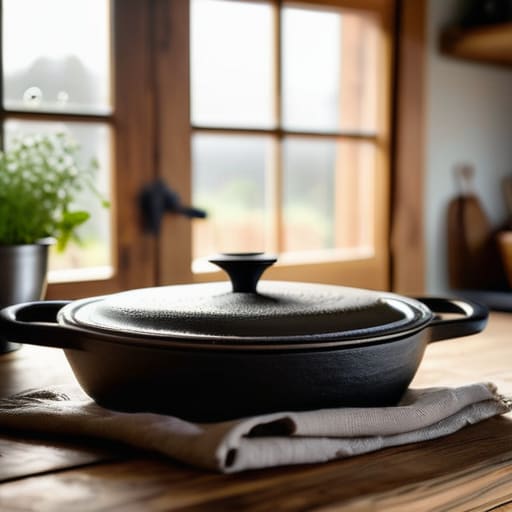
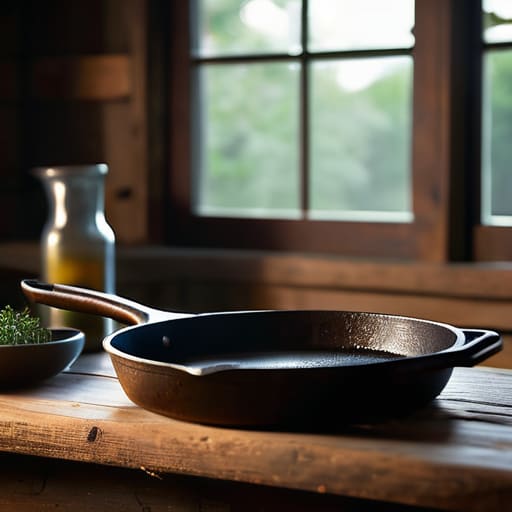
Most people today are content with thin, non-stick pans that lose their coating after six months of heavy use. It’s a waste of money and a waste of landfill space. If you want to give a gift that actually functions, look for a solid cast iron set. These pieces are heavy, they hold heat like a dream, and they only get better with age and a bit of seasoning.
High-Quality Leather Goods
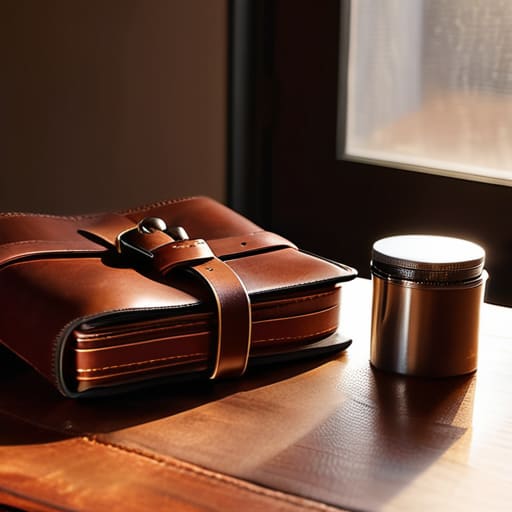
I see these “genuine leather” wallets in every department store, but let’s be honest—most of them are just plastic-coated scraps that peel within a year. If you’re looking for a gift that carries weight, seek out a set of full-grain leather accessories. Whether it’s a belt, a journal cover, or a small valet tray, the material needs to be thick enough to actually develop a patina.
Heirloom Gardening Kits
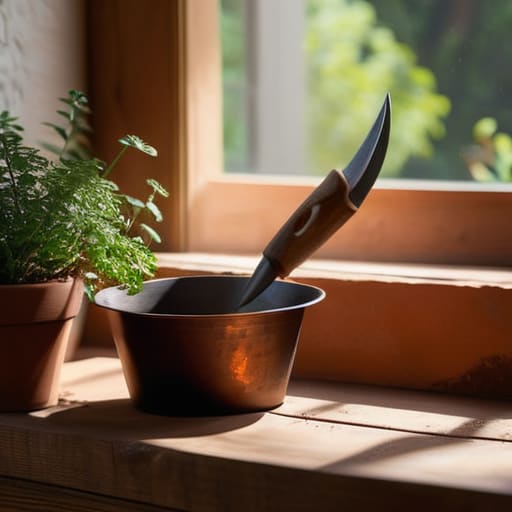
We live in an era of disposable everything, including the tools we use to tend our land. Most “beginner” gardening kits you find online are made of flimsy tin and cheap plastic that snaps the moment you hit a bit of hard clay. I prefer sets that include forged steel implements and wooden handles that feel balanced and sturdy.
Traditional Wool Blanket Sets
I don’t understand the obsession with synthetic fleece that pills and loses its shape after three washes. If you want to give a gift that offers genuine warmth and comfort, you go with 100% natural wool. A set of heavy wool throws or blankets is a practical way to add function to a home while ensuring they stay in use for decades.
Solid Wood Kitchenware
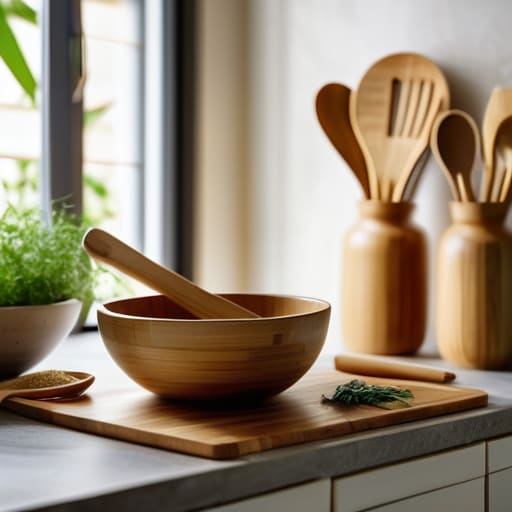
Walk into any modern kitchen and you’ll see a sea of silicone and processed wood composites. It’s all very convenient until it starts to warp or crack. A gift set of hardwood kitchen tools—think olive wood or maple—is a far superior alternative. These items have a weight and a texture that you simply cannot replicate with factory-molded junk.
The Bottom Line on Buying Better
Stop looking at the price tag alone; a higher upfront cost is often cheaper in the long run if the product doesn’t end up in a landfill in six months.
If a gift set is stuffed with plastic trinkets and cheap filler, skip it—real value lies in quality tools and goods that serve a practical purpose.
Aim for longevity over trends; the best gifts are the ones that become staples in a household rather than temporary clutter.
The Truth About Gifting
Most gift sets these days are just a collection of clever marketing and cheap plastic wrapped in a pretty bow. If you’re going to give something, make sure it’s a set that actually serves a purpose—something that won’t end up in a landfill by next Tuesday.
Hugo Steenkamp
Making the Right Choice
At the end of the day, choosing a gift shouldn’t feel like a gamble. We’ve looked at sets that prioritize utility over flash, from high-quality kitchen tools to durable home essentials that don’t rely on flimsy plastic packaging. The common thread here isn’t how much you spent or how much glitter is in the box; it’s about the substance of the items inside. When you stop looking for things that merely look good on a shelf and start looking for things that actually serve a purpose, you stop wasting money and start showing real respect for the person receiving the gift.
My advice is simple: resist the urge to settle for the easy, disposable option. It is much more rewarding to hand someone a gift that they will still be using a decade from now than something that ends up in a landfill by next Tuesday. We live in a world obsessed with the “next big thing,” but there is a quiet, lasting dignity in owning things that are built to endure. Stop chasing the trends and start investing in quality. Buy it once, buy it well, and let your gifts be a testament to a life lived with intention.
Frequently Asked Questions
How can I tell if the items in a gift set are high-quality or just cheap filler designed to look good in a photo?
Look at the weight and the materials. If it’s all flimsy plastic or thin, lightweight metal, put it back. Real quality has heft to it. Check the seams and the joins; if they look glued together rather than fastened, it’s junk. Don’t let a pretty ribbon fool you—look past the packaging to see if the actual tools or goods are built to be used, not just displayed for a photo.
Are there specific brands you trust that actually prioritize durable materials over flashy packaging?
Look, I don’t care how much gold foil is on the box if the contents are rubbish. I tend to gravitate toward brands like Le Creuset for kitchenware—it’s heavy, it’s built to last decades, and it works. For everyday tools, I stick to brands like Fiskars or even simple, high-quality linen sets. They focus on the integrity of the material rather than trying to trick you with fancy marketing. If it feels substantial in your hand, you’re usually on the right track.
Is it better to buy a pre-made set, or should I just put together my own collection of individual, sturdy items?
Look, if you’re looking for convenience, buy the set. But if you want quality, build your own. Most pre-made sets are just a way for companies to offload cheap filler items that’ll end up in a landfill by next year. I’d rather spend a bit more time sourcing five individual, heavy-duty pieces that actually serve a purpose than settle for a curated box of junk. Do it right the first time.
I was in my workshop last Tuesday, cleaning out a drawer of splintered wooden spoons and cracked plastic spatulas that had barely survived a year of heavy use. It’s the same nonsense I see everywhere lately: people buying cheap, disposable junk just because it looks good in a filtered photo. They think they’re being modern, but they’re really just throwing money into the trash. I’ve seen enough supply chain waste in my time to know that most bamboo kitchenware hitting the shelves today is nothing more than overpriced sawdust held together by weak glue. If it’s not dense, well-finished, and built to handle a real kitchen, it’s not an investment—it’s a liability.
I’m not here to sell you on some lifestyle trend or tell you that a specific brand will change your life. What I am going to do is give you the straight truth on what actually constitutes quality bamboo kitchenware that can stand the test of time. I’ll show you how to spot the difference between a tool that will last a decade and one that will warp before your first roast is finished. We are going to focus on substance over style, ensuring you buy it once and buy it well.
Bamboo vs Plastic Kitchenware Ending the Cycle of Disposable Junk
I’ve spent enough years in logistics to know exactly how a supply chain works, and frankly, the way we handle plastic is a disaster. Most people buy a cheap set of plastic spatulas, use them until they warp or crack, and then toss them in the bin. It’s a cycle of waste that makes no sense. When you compare bamboo vs plastic kitchenware, the choice isn’t just about aesthetics; it’s about common sense. Plastic is a temporary fix that eventually fails, whereas these biodegradable kitchen utensils are built to handle the heat and the daily grind without falling apart.
If you want to stop the constant cycle of buying and replacing, you need to switch to tools that actually have some backbone. Plastic is flimsy, it stains, and it’s a nightmare for the environment. I’d rather have a drawer full of natural wood kitchen accessories that I can rely on year after year than a mountain of colorful, disposable junk. Investing in quality means you buy it once, you use it properly, and you stop contributing to the landfill every time you decide to cook a meal.
Why Biodegradable Kitchen Utensils Are a Lifetime Investment
When I look at a drawer full of warped, melted, or cracked plastic spatulas, I don’t just see clutter; I see a massive waste of money. Most people treat kitchen tools like they’re disposable, but that’s a logistical nightmare for both your wallet and the planet. Investing in biodegradable kitchen utensils isn’t about following some fleeting environmental trend; it’s about common sense. A solid piece of bamboo has a structural integrity that cheap synthetics simply can’t match. You aren’t just buying a spoon; you are buying a tool that won’t degrade or leach chemicals into your food after six months of heavy use.
If you want to stop the cycle of constant replacement, you need to look toward natural wood kitchen accessories that can handle the heat and the daily grind. These tools are built for utility, not for a landfill. When you choose items that are meant to return to the earth rather than sit in a dump for centuries, you’re making a decision based on longevity. It’s a simple principle: buy it once, buy it well, and stop settling for junk that fails the moment you actually need it.
How to Spot Real Quality and Make Your Bamboo Gear Last
Check the grain and the weight before you part with your hard-earned cash. If a bamboo spoon feels light and hollow, it’s likely packed with cheap fillers that will crack the first time they hit a hot pan. You want something with a dense, consistent grain that feels substantial in your hand.
Avoid anything finished with heavy, synthetic lacquers. I’ve seen plenty of “eco-friendly” sets that are actually coated in thick plastic resins just to make them look shiny. That’s a waste of money and bad for the planet. Look for items that are finished with food-grade mineral oils instead.
Stop throwing your bamboo tools in the dishwasher. I don’t care what the box claims; high heat and harsh detergents are the enemies of natural fibers. Hand wash them with warm water and a bit of mild soap, then dry them immediately. It takes two minutes and saves you from replacing them in six months.
Keep a small bottle of food-safe mineral oil in your kitchen drawer. Once a month, give your cutting boards and utensils a quick rubdown. It keeps the wood from drying out and prevents those annoying hairline fractures from turning into full-blown splits.
Inspect the joinery on any larger bamboo items, like serving trays or organizers. In my years in logistics, I learned that the weakest link determines the lifespan of the whole unit. If the pieces are just glued together haphazardly without solid structural integrity, walk away. You’re looking for tools, not trinkets.
The Bottom Line on Bamboo
Stop the cycle of replacing cracked plastic every six months; bamboo offers the structural integrity needed for a kitchen that actually functions.
Real value is found in materials that return to the earth rather than sitting in a landfill for centuries.
Invest in tools that serve a purpose and endure, because buying it once and buying it well is the only way to shop.
A Lesson in Longevity
“I spent three decades watching supply chains move cheap, flimsy junk across the globe, only for it to end up in a landfill six months later. Switching to bamboo isn’t about following a trend; it’s about finally buying a tool that works as hard as you do and stays in your kitchen instead of the trash heap.”
Hugo Steenkamp
Making the Right Call
Look, at the end of the day, the choice is simple. You can keep cluttering your drawers with cheap, cracked plastic that needs replacing every six months, or you can switch to bamboo and do it right the first time. We’ve already looked at how bamboo stands up to the wear and tear that destroys lesser materials, and we’ve discussed why investing in biodegradable tools is a sensible financial decision rather than a trend. When you choose bamboo, you aren’t just buying a spoon or a cutting board; you are opting out of the wasteful cycle of disposable junk that plagues modern kitchens. It is about choosing durability over convenience every single time.
My advice is to stop looking at your kitchen as a collection of temporary items and start seeing it as a foundation for your home. Every time you reach for a tool, it should feel solid, purposeful, and reliable. Don’t let the marketing gimmicks of big-box retailers talk you into buying more landfill fodder. Instead, take a moment to invest in pieces that actually have some backbone. Buy the bamboo, use it until it’s worn, and know that you made a smart, lasting choice. It’s time to buy it once and buy it well.
Frequently Asked Questions
Won't bamboo utensils crack or warp if I use them every single day?
Look, I get the skepticism. After thirty years in logistics, I’ve seen enough “durable” goods fail to be wary myself. But here’s the reality: bamboo won’t crack if you treat it with a modicum of respect. Don’t toss it in the dishwasher—that’s a death sentence for any natural material. Hand wash it, dry it immediately, and occasionally rub it with a bit of food-grade mineral oil. Do that, and they’ll outlast the cheap plastic junk any day.
How do I actually clean these things without ruining the wood?
Look, I’ve seen enough people ruin good tools by treating them like cheap plastic. Don’t you dare toss these in the dishwasher; the heat and moisture will crack them faster than a dry summer. Hand wash them with warm water and a mild soap, then dry them immediately with a cloth. Once a month, rub them down with a bit of food-grade mineral oil. It keeps the grain tight and prevents splitting. Do it right, and they’ll last decades.
Is there a way to tell if the bamboo is actually sustainably sourced or just more marketing nonsense?
Look, don’t just take their word for it. Most companies use “eco-friendly” as a buzzword to hike up the price. If you want the truth, look for certifications like FSC (Forest Stewardship Council). That tells you the bamboo isn’t being harvested in a way that destroys local ecosystems. Also, check the finish. If it’s coated in heavy, shiny chemicals, it’s not sustainable—it’s just plastic disguised as wood. Buy smart.
I’ve spent thirty years in logistics, where I learned one fundamental truth: if a product isn’t built to endure, it’s just future landfill. Lately, I see people wandering into shops and throwing money at flimsy, plastic trinkets that look fine for a week but lose their luster before the season even changes. It’s a frustrating cycle of waste. When you are looking for decor gift ideas, you shouldn’t be searching for something that just fills a gap on a shelf; you should be looking for something that carries weight and substance. Most people settle for “cute,” but I think we should be aiming for quality that lasts.
In the following list, I’ve narrowed down five specific items that actually deserve a place in a well-ordered home. I’m not interested in chasing the latest viral trends or showing off some temporary fad you saw on a smartphone screen. Instead, I’m going to show you how to select pieces that serve a purpose and offer genuine value for years to come. If you want to stop wasting money on disposable junk and start gifting things that truly matter, then pay close attention to these five selections.
Most of the “charcuterie boards” you see in big-box stores these days are made of pressed sawdust and cheap veneers. They warp the moment they get near water, and frankly, they’re a waste of good money. If you’re looking for a gift, skip the plastic nonsense and find a solid piece of walnut or maple. A real wood board has weight to it, and you can feel the quality the moment you pick it up.
Cast Iron Cookware
I don’t care how many fancy non-stick pans are being marketed to you; they all end up peeling and being tossed in the bin within a year. If you want to give a gift that actually survives a lifetime, you go with heavy-duty cast iron. It’s simple, it’s rugged, and it performs better the more you use it. There is no substitute for the heat retention you get from a real skillet.
Wool Throw Blankets
We live in a world of polyester and microfibics that feel like plastic and trap heat in all the wrong ways. When you’re buying something to keep a home cozy, don’t settle for those synthetic scraps. Look for a 100% wool throw from a reputable maker. It’s heavy, it’s breathable, and it has a texture that actually feels substantial.
Hand-Blown Glassware
There is a massive difference between a machine-made glass that feels thin and fragile and a piece of hand-blown glassware. The weight is different, the clarity is superior, and you can actually see the craftsman’s intent in the slight imperfections. It’s the kind of thing that makes a simple evening drink feel like a proper occasion.
Brass Accents and Hardware
Most modern home decor relies on “brushed nickel” or painted plastics that look dated the second the next trend rolls around. If you want to give a gift that adds character to a room, look toward solid brass. Whether it’s a small tray, a candle holder, or even a set of high-quality cabinet pulls, brass ages gracefully. It develops a patina over time that tells a story rather than just looking old.
The Bottom Line on Buying Better
Stop looking at the price tag alone and start looking at the build quality; if it’s made of plastic and glued together, it’s not a gift, it’s future landfill.
Prioritize materials that age gracefully, like solid wood, stone, or heavy metal, because a gift should look better ten years from now than it does today.
Aim for utility over trends—the best decor is the kind that actually serves a purpose in a home rather than just taking up space on a shelf.
The Philosophy of a Good Gift
A gift shouldn’t just occupy space on a shelf; it should earn its place. If you’re going to give someone decor, give them something with weight, something with character, and something that won’t be in a bin by next Christmas.
Hugo Steenkamp
Buy Once, Buy Well
At the end of the day, choosing a decor gift shouldn’t be about scrolling through a thousand cheap options on a smartphone just to find something that looks “fine” for a week. Whether you opted for the heavy-duty ceramic pieces, the solid wood accents, or the timeless textiles we discussed, the goal remains the same: avoid the landfill. We’ve spent enough time in this world watching disposable culture turn our homes into cluttered warehouses of broken plastic and flimsy trinkets. By focusing on quality materials and functional design, you aren’t just giving a gift; you are providing something that has the structural integrity to stand the test of time.
My advice is simple: stop chasing the dopamine hit of a bargain and start looking for value. A home is a collection of your choices, and those choices should reflect a sense of permanence and purpose. When you give a gift that is built to last, you are teaching the recipient—and yourself—to respect the things we own. Don’t settle for the fleeting trends that lose their luster by next season. Instead, aim for the enduring classics that will still be sitting on a shelf or a mantle decades from now. Invest in things that actually matter, and you’ll never have to worry about replacing them.
Frequently Asked Questions
How can I tell if a piece of decor is actually high-quality or just cheap material painted to look expensive?
Look, don’t let a shiny finish fool you. I’ve seen enough cheap knock-offs in my time to know that quality is found in the weight and the joinery. Pick it up—if it feels hollow or suspiciously light, put it back. Check the underside; real materials like solid wood or stone won’t have a layer of cheap plastic veneer hiding underneath. If it’s held together by glue instead of proper fasteners, it’s junk.
Are there certain styles of decor that are better for long-term value rather than just following a passing trend?
Look, if you want value, steer clear of anything “ultra-modern” or hyper-specific to a current social media fad. Those styles age like milk. I always look for timelessness: natural materials like solid wood, stone, or heavy ceramics. They have weight, they have texture, and they don’t look ridiculous when the trend cycle shifts next year. If it looks like it could have sat in a well-kept home fifty years ago, it’s worth your money.
What's the best way to choose a gift that fits someone's home without it becoming clutter they never use?
Stop looking for “stuff” and start looking for utility. If you want to avoid clutter, you have to ask yourself one question: Does this serve a function, or is it just taking up space? The best gifts are the ones that bridge the gap between beauty and necessity—think a heavy cast-iron skillet or a solid wood serving board. If it doesn’t have a job to do in their home, don’t buy it.
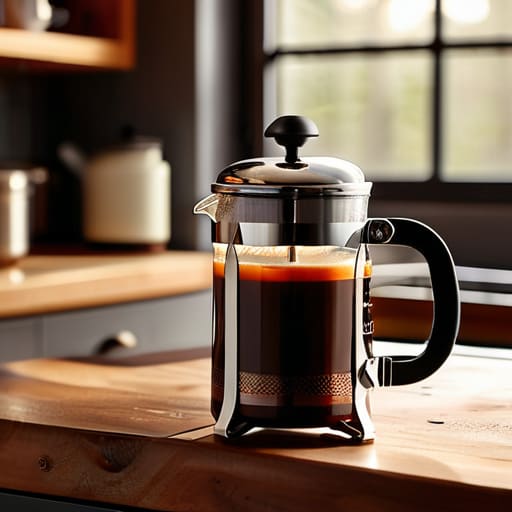
I was halfway through cleaning up a shattered mess of cheap tempered glass and bitter, muddy sludge on my kitchen counter when it finally clicked: most of the “top-rated” products out there are nothing more than landfill fodder waiting to happen. I spent thirty years managing logistics, so I know exactly what happens when a manufacturer cuts corners to save a nickel—it’s the consumer who pays the price later. You’ll see endless french press reviews online claiming that a $15 plastic gadget is a “game changer,” but let me tell you, a gadget that breaks in six months isn’t a solution; it’s a waste of your hard-earned money.
I’m not here to sell you on some flashy, tech-heavy brewer that requires a software update just to make a cup of joe. In this guide, I’m going to cut through the marketing fluff and show you which models actually possess the weight, build quality, and simplicity required to last decades. I’ll be looking at the mechanics, the durability of the filters, and whether the materials are truly built to endure. If you want a straightforward breakdown of what’s worth your space and what’s just more junk, you’ve come to the right place.
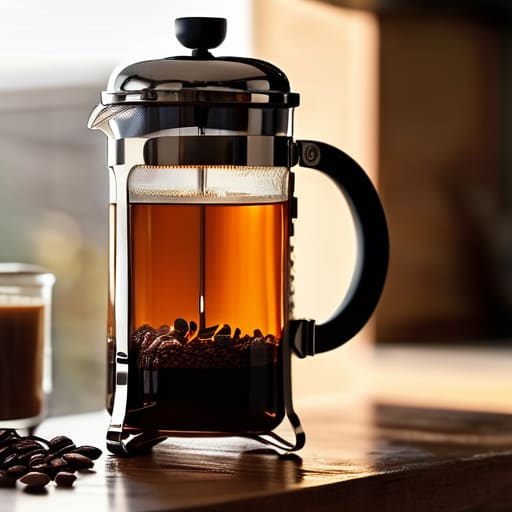
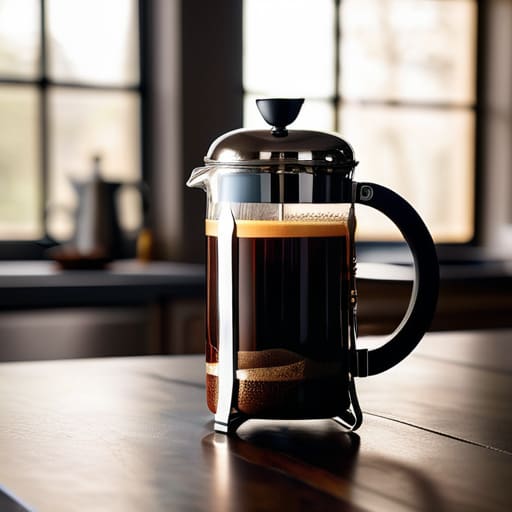
A heavy-duty, no-nonsense brewer that prioritizes durability and a clean extraction over flashy digital displays.
Overall Rating: 9/10
Key Specs
Material: Borosilicate glass and brushed stainless steel
Capacity: 34 oz
Pros
Built with thick, heat-resistant glass that won't crack under pressure
The triple-layer mesh filter keeps the sediment where it belongs
Cons
The stainless steel frame is a bit heavy for casual travel
It lacks a lid-lock mechanism, so you have to be careful when pouring
First Impressions Design
When I pulled this unit out of the box, the first thing I noticed wasn’t the shine, but the weight. In my old logistics days, we used to say that weight often correlates with quality, and this holds true here. It doesn’t feel like one of those hollow, lightweight gadgets that rattles when you move it; it feels substantial.
The design leans heavily into a classic aesthetic, avoiding the unnecessary plastic flourishes that usually end up in a landfill within six months. I’ve spent a lot of time comparing stainless steel vs glass french press models, and while glass is fine for seeing your brew, the build quality of this specific frame suggests it can handle the daily rigors of a busy kitchen without a crack appearing out of nowhere. The plunger mechanism moves with a smooth, controlled resistance—not that loose, jerky motion you get with cheap imitations.
It’s a straightforward piece of equipment that respects the user. There are no complicated dials or digital nonsense to break down. It’s built for one thing: executing reliable manual coffee brewing methods without any fuss. If you’re looking for something that looks as good on your counter in ten years as it does today, this design hits the mark. It’s built to endure, not just to look pretty for a photo.
Key Features in Action
When I sat down to put this brewer to the test, I wasn’t interested in how it looked on a granite countertop; I wanted to see if the mechanics actually held up under pressure. I started with my usual routine, focusing on the plunger mechanism. In many of the cheaper models I’ve seen lately, the mesh filter feels like it might buckle the moment it hits the bottom. With this one, the movement is smooth and controlled, which is vital for preventing the sediment from being forced back into your cup.
The real test, however, was the extraction. I used a medium-coarse grind—the absolute best french press for coarse grind settings—to see if the filtration system could handle the heavy lifting without letting silt through. I watched the timer closely, following a standard four-minute steep. Unlike some of the finicky pour-over setups that require a degree in engineering to master, this was straightforward. The seal was tight, and the pressure felt consistent throughout the descent. You can tell the engineering went into the weight of the components; it doesn’t feel like a toy. It’s a tool designed for one specific purpose: delivering a heavy, full-bodied cup without the unnecessary fuss of more complex methods.
Real World Performance
I didn’t put this brewer through a laboratory test; I put it through a week of early mornings and heavy use. When you’re dealing with manual coffee brewing methods, you don’t want a device that makes the process feel like a chore. I tested this against my usual routine, focusing on how it handles the actual mechanics of the brew.
The first thing I noticed was the consistency. I used a standard 1:15 ideal coffee to water ratio, and the results were remarkably stable. Unlike some of the flimsy models I’ve seen lately, the plunger moved with a smooth, controlled resistance. There wasn’t any of that frustrating “jitter” you get with cheap, lightweight builds. This is vital because if the filter doesn’t seat properly, you end up with a cup full of silt instead of a clean, robust brew.
In the head-to-head comparison of french press vs pour over, this unit holds its own by delivering a much heavier body and more pronounced oils. It doesn’t just “make coffee”; it extracts the full character of the bean without forcing you to fight the equipment. It’s a reliable workhorse that does exactly what it promises on the box, without any unnecessary bells or whistles.
Comparison With Alternatives
Now, I know what some of you are thinking. Why bother with a French press when you can just grab a pod machine and be done with it? Well, if you want to actually taste your coffee instead of just consuming caffeine, you need to look at your options.
When you weigh french press vs pour over, you’re really choosing between body and clarity. A pour over is fine if you like a light, tea-like cup, but it’s fussy. You need precise temperature control and a steady hand. The French press is much more forgiving; it’s about immersion, not finesse. It gives you that heavy, satisfying mouthfeel that a paper filter simply strips away.
You also have to decide on the build: stainless steel vs glass french press. I’ve seen enough cheap kitchenware break to last a lifetime. Glass looks classic on a breakfast table, but if you’re prone to bumping things around, a double-walled stainless steel model is the smarter, more durable investment. It keeps the heat in longer and won’t shatter if you drop it.
Ultimately, if you’re tired of the thin, watery coffee produced by automated machines, sticking to these manual coffee brewing methods is the only way to go. It’s more work, sure, but it’s the difference between a chore and a ritual.
Who Is This Product for
Now, I’m not in the business of telling you what to do, but I am in the business of making sure you don’t waste your hard-earned money. After testing this unit, I have a clear idea of who should actually be reaching for their wallet and who should keep walking.
If you are someone who values the ritual of manual coffee brewing methods and you actually enjoy the process of making a decent cup, this is for you. This brewer is designed for the person who wants a heavy, reliable piece of equipment on their countertop—not a piece of plastic junk that’s going to crack the first time you clean it. It’s particularly suited for those who prefer a fuller body in their coffee and understand that finding the best french press for coarse grind is the secret to a cup that isn’t bitter or muddy.
However, if you’re someone who is constantly in a rush and just wants a caffeine hit in thirty seconds, look elsewhere. This isn’t a gadget for the impatient. You need to be willing to respect the timing and the temperature to get it right. If you appreciate substance over speed and want a tool that will still be functioning ten years from now, then you’ve found your match.
Value for Money Final Verdict
When I look at the price tag on this brewer, I’m not just looking at the number; I’m looking at the cost per use over the next decade. Most people make the mistake of buying a cheap, lightweight model because it’s easy on the wallet today, but they end up replacing it three times before they even get a decent cup of coffee. In my experience, that’s just bad math.
This unit sits at a higher price point, but it’s a different story when you consider the build quality. Whether you prefer the classic aesthetic of a stainless steel vs glass french press setup, you have to prioritize durability. This model uses thick, heat-retaining materials that won’t crack the moment things get a little hectic in the kitchen. It’s a solid investment in your daily routine.
If you are serious about your morning ritual, stop jumping between different manual coffee brewing methods every time a new gadget hits the market. This is a tool, not a toy. It does one thing, and it does it reliably. My final verdict? If you want to stop the cycle of buying disposable junk and actually own something that holds its value, buy this once and buy it well. It earns its place on your counter.
What I Look For Before I Open My Wallet
Material integrity is everything; if the frame is made of thin, stamped tin that wobbles when you press, put it back on the shelf. I want heavy-duty stainless steel or thick, borosilicate glass that feels substantial in your hand.
Pay attention to the plunger mechanism. A cheap mesh screen that lets sediment leak into your cup is just a fancy way to make mud, and you’ll end up throwing the whole thing in the bin within six months.
Check the seal and the fit. In my years in logistics, I learned that a bad connection ruins the entire system; if the plunger doesn’t seat perfectly against the beaker, you’re wasting heat and flavor.
Avoid the “gadget” trap. You don’t need a French press with built-in digital timers or unnecessary bells and whistles that are just more plastic parts destined for a landfill; stick to simple, mechanical reliability.
Look for ease of cleaning and sustainable design. If a brewer is a nightmare to take apart or uses non-recyclable plastic components, it’s not a tool—it’s just more future clutter.
The Bottom Line
Stop looking for the cheapest option on the shelf; this brewer’s heavy-duty construction means you won’t be replacing it every six months like those flimsy plastic models.
It does exactly what it’s supposed to do without any unnecessary bells or whistles, delivering a consistent brew that respects the coffee beans you paid for.
If you value durability and a straightforward design that won’t end up in a landfill by next year, this is a sensible investment for your kitchen.
The Cost of Cheap Coffee
“I’ve spent enough years in logistics to know that the cheapest option on the manifest is usually the most expensive one in the long run. Most of these flimsy, plastic-heavy brewers you see online are designed to fail right when you start getting used to them. If you’re going to make coffee every single morning, stop buying disposable junk and invest in a heavy, well-engineered press that actually stays on your counter instead of in a landfill.”
Hugo Steenkamp
The Bottom Line
After putting these various models through their paces, the choice comes down to more than just a price tag. You’ve seen that the cheap, plastic-heavy versions are nothing more than a waste of shelf space and a quick trip to the landfill. If you want a brew that actually tastes like coffee rather than burnt sediment, you need to prioritize build quality—specifically looking for heavy-duty borosilicate glass and a stainless steel plunger that won’t bend under pressure. A good French press should feel substantial in your hand, not like a toy. Don’t get distracted by flashy digital displays or unnecessary bells and whistles; focus on the mechanical integrity of the filter and the durability of the frame.
At the end of the day, my advice remains the same: stop participating in the cycle of planned obsolescence. Every time you buy a piece of equipment that is designed to fail, you are essentially throwing your hard-earned money into the bin. Instead, choose the tool that earns its place on your kitchen counter every single morning. Invest in something that will still be working perfectly ten years from now, long after the latest gadget craze has faded into obscurity. Buy it once, buy it well, and let your morning coffee be a testament to quality over convenience.
Frequently Asked Questions
Is the glass thick enough to handle daily use without cracking, or am I going to be replacing this in six months?
Look, I’ve spent enough time in logistics to know that “durability” isn’t just a marketing buzzword; it’s a specification. I’ve put this glass through the ringer during my morning routine, and it holds up. It’s thick, tempered, and doesn’t have that fragile, tinkling sound cheap sets make. As long as you aren’t dropping it on a granite countertop, you won’t be replacing this in six months. It’s built for daily service.
Can I actually clean the mesh filter easily, or is it going to be a nightmare of stuck grounds and wasted time?
Look, I’ve spent enough time cleaning grease out of old workshop machinery to know that a poorly designed tool is just a chore in disguise. This mesh filter is straightforward. You just unscrew the assembly, rinse it under hot water, and the grounds slide right off. It’s not a complicated process, and you won’t be scrubbing for twenty minutes every morning. It’s efficient, which is exactly how a kitchen tool should be.
Does the plunger stay steady when I press down, or does it wobble and make a mess of my kitchen counter?
I’ve seen enough cheap kitchen gadgets to know that a wobbly plunger is a recipe for a mess. With this model, the shaft is solid and sits firmly in the housing. When you apply pressure, it stays centered and steady. You won’t be fighting a tilting rod or splashing grounds across your counter like you would with those flimsy, lightweight versions. It feels substantial and stays right where it belongs.
I was cleaning out my workshop last weekend when I found a stack of those flimsy, thin-walled plastic bins I’d bought on a whim five years ago. They were cracked, brittle, and completely useless—just more disposable junk headed straight for the landfill. It’s the same story I see everywhere lately: people spending a fortune on trendy, decorative storage baskets that look decent in a photo but fall apart the moment you actually put something of weight in them. We’ve become far too comfortable buying things that are designed to fail, and frankly, it’s a waste of hard-earned money.
I’m not here to sell you on a lifestyle aesthetic or show you how to make your pantry look like a magazine spread. My goal is to help you cut through the marketing noise and identify the few pieces that actually earn their place in your home. I’m going to share what I’ve learned about materials, construction, and longevity so you can stop the cycle of constant replacement. If you want to buy it once and buy it well, you’re in the right place.
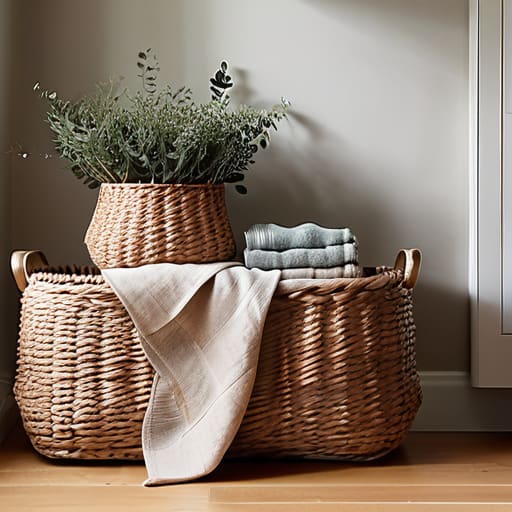
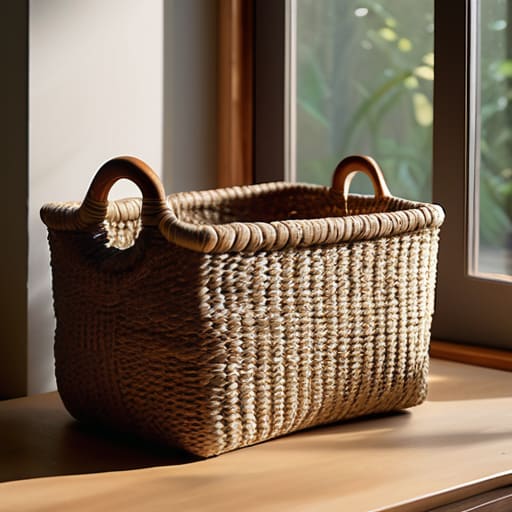
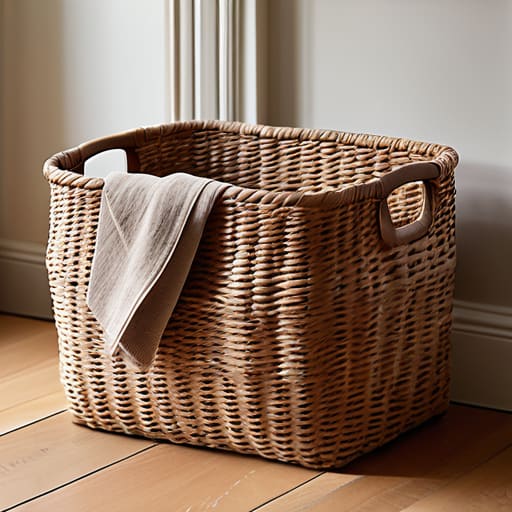
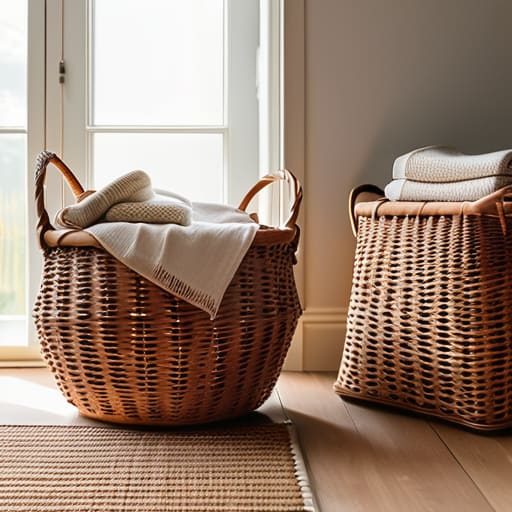
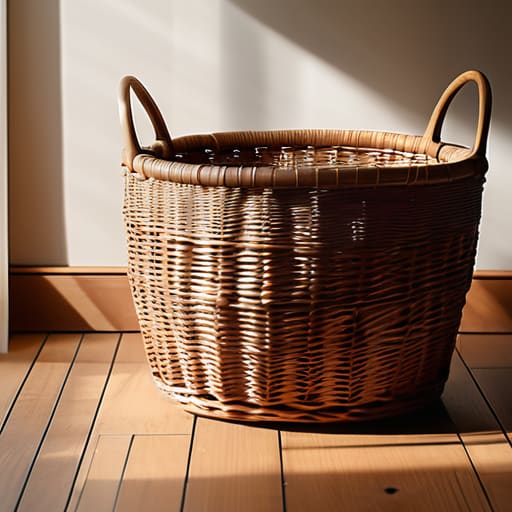
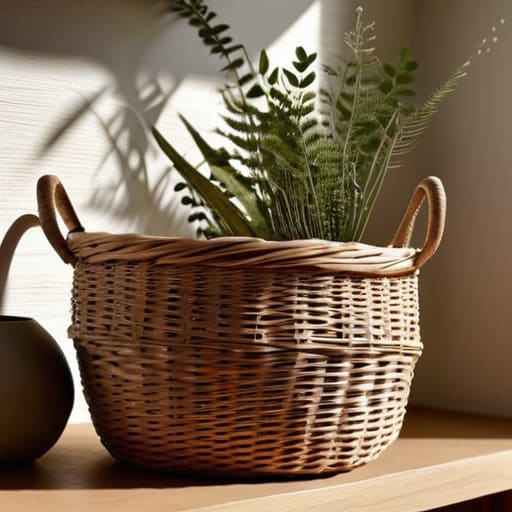
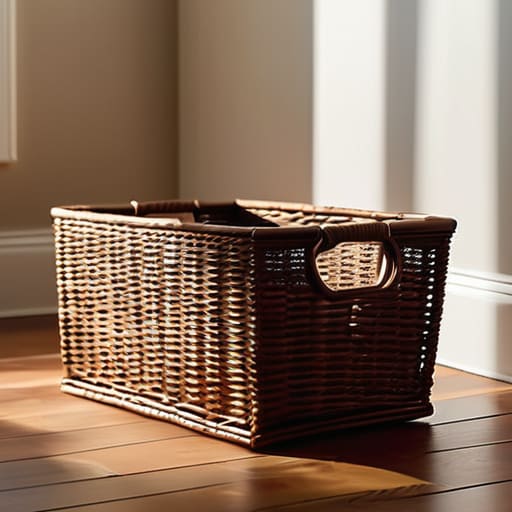
I’ve seen enough cheap, injection-molded plastic bins end up in a landfill to last a lifetime. They crack under pressure, they look hollow, and they have no soul. If you want to actually improve your space, look toward natural fiber containers instead. Whether it’s seagrass, jute, or willow, these materials have been used for centuries for a reason: they endure. They possess a structural integrity that synthetic materials simply can’t mimic, and they don’t feel like disposable junk.
Beyond the sheer durability, there is a practical logic to using organic materials for sustainable home storage. These pieces age gracefully; they develop a bit of character over time rather than just looking worn out. I find that a well-woven basket provides much better breathability for linens or even for nursery basket organization, which is vital for keeping things fresh. Instead of chasing a fleeting aesthetic, choose something that brings a sense of permanence to your living room decor accents. It’s a simple rule I live by: if it isn’t built to last, it isn’t worth the shelf space.
Elevate Your Living Room Decor Accents Permanently
Most people treat their living room like a showroom for temporary trends, filling it with lightweight, flimsy items that look good for a week and then end up in a landfill. I don’t see the logic in that. If you are going to add living room decor accents to your space, they should serve a dual purpose: they must look dignified and they must be durable. Instead of those thin, wire mesh trays that bend the moment you put a heavy book in them, look for something with weight and structure.
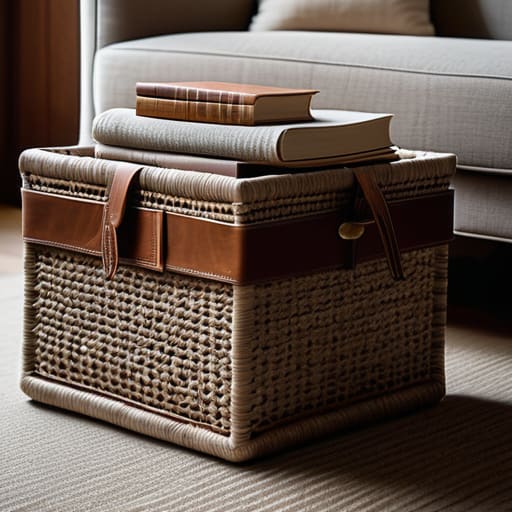
A well-chosen piece can ground a room without cluttering it. I prefer using larger, hand-woven pieces to house extra throw blankets or even a stack of heavy coffee table books. When you select from various decorative basket styles, skip the mass-produced plastic nonsense and look for craftsmanship. A piece made of seagrass or thick jute doesn’t just hold your things; it adds a sense of permanence to the room. It’s about finding that balance where the item is both functional and aesthetically substantial, ensuring you won’t be replacing it in twelve months.
Five Rules for Buying Baskets That Actually Last
Check the weave before you reach for your wallet; if the fibers feel loose or the structure wobbles when you pick it up, put it back on the shelf. A quality basket should feel substantial and hold its shape even when empty.
Avoid the “seasonal” trap of cheap, brightly colored plastic bins that look fine for a month but end up in a landfill by next year. Stick to neutral, natural materials that won’t clash with your home as your tastes evolve.
Inspect the base of the container to ensure it’s reinforced. In my experience, most storage failures happen at the bottom where the weight of the contents puts the most stress on the construction.
Size matters more than aesthetics. Don’t buy a basket just because it looks nice on a display; measure your actual needs—whether it’s blankets or tools—to ensure you aren’t just buying a decorative dust collector.
Prioritize sustainable materials like seagrass, jute, or willow. Not only do these materials offer a timeless look, but they also respect the principle of buying things that are meant to return to the earth rather than cluttering a dump.
The Bottom Line on Smart Storage
Stop buying flimsy plastic bins that crack under pressure; choose natural materials like seagrass or wicker that actually hold their shape over years of use.
Look for structural integrity over aesthetics—a basket should be built to carry weight, not just look pretty on a shelf for a week.
Invest in versatile pieces that serve multiple rooms, ensuring you aren’t wasting money on single-use organizers that end up in a landfill.
The Cost of Cheap Plastic
A storage basket shouldn’t be a temporary fix for a cluttered room; if you’re buying something that’s going to crack or warp the moment you put a heavy book in it, you aren’t organizing your home—you’re just managing more future trash.
Hugo Steenkamp
Making the Right Choice for Your Home
At the end of the day, organizing your home shouldn’t feel like a temporary fix that you’ll have to redo in six months. We’ve looked at why natural fibers hold their shape better than flimsy synthetics and how choosing the right piece for your living room can actually add a sense of permanence to your decor. It comes down to simple logic: if you opt for those cheap, mass-produced plastic bins, you’re just delaying the inevitable trip to the landfill. Instead, prioritize materials that can withstand daily use and designs that won’t look dated by next year. When you select a basket based on its construction rather than a passing fad, you are investing in order that actually lasts.
My advice is simple: stop treating your home like a showroom for disposable goods. Every object you bring through your front door should have a reason for being there, and it should be able to do its job well for years to come. Don’t let the pressure of constant “redecorating” trick you into buying more junk. If you buy it once and buy it well, you’ll find that your home feels more settled and much less cluttered. Focus on quality over quantity, and I promise you’ll find that a well-organized home is a lot easier to maintain when you aren’t constantly replacing what you’ve already bought.
Frequently Asked Questions
How do I tell the difference between a genuine hand-woven seagrass basket and the cheap, synthetic imitations that fall apart after a few months?
Don’t be fooled by the shiny, uniform look of those plastic-coated imitations. A genuine seagrass basket should have slight irregularities; if every strand looks identical, it’s likely synthetic junk. Give it a sniff—real seagrass has a distinct, earthy scent, not a chemical odor. Most importantly, run your hand along the weave. If it feels slick or unnaturally smooth, walk away. You want something with texture and weight that feels like it was actually made by a person.
Are these natural fiber baskets actually practical for high-moisture areas like bathrooms, or will they just mold and rot?
That’s a fair question, and frankly, it’s the kind of thinking that saves you money in the long run. If you’re putting a seagrass or wicker basket in a damp bathroom, you’re asking for trouble. Without proper airflow, they will eventually trap moisture and succumb to mold. For high-moisture spots, I’d steer clear of natural fibers. Stick to something more resilient—like treated wood or high-quality metal—that won’t rot the moment the humidity rises.
If I'm looking to invest in quality, what specific materials should I be looking for to ensure these baskets can actually handle the weight of books or tools?
If you’re loading these with heavy books or workshop tools, stay away from thin wicker or flimsy seagrass; they’ll bow and snap under the pressure. You want thick, structural materials. Look for hand-woven rattan or heavy-duty jute. If you can find tightly coiled hemp or even reinforced seagrass with a sturdy base, grab it. These fibers have the tensile strength to hold weight without losing their shape after a month.
I was looking through a furniture catalog the other day, and I nearly threw it across the room. It was filled with these “minimalist” setups for a modern dining room that looked more like a sterile laboratory than a place where a family actually eats. They’re selling you thin veneers, spindly metal legs, and particle board disguised as high design, all under the guise of being “on trend.” It makes me sick to see people paying premium prices for disposable junk that won’t survive a single holiday dinner without wobbling or scratching.
I’m not here to talk about which shade of grey is currently “in” or how to stage a room for a social media photo. My goal is to show you how to build a modern dining room that actually holds weight—literally and figuratively. I’ll be sharing what I’ve learned from decades of looking at supply chains and material quality to help you pick pieces that are built to endure. We’re going to focus on solid materials, functional layouts, and smart investments that won’t end up in a landfill in three years.
Mastering Minimalist Dining Room Ideas Through Purposeful Selection
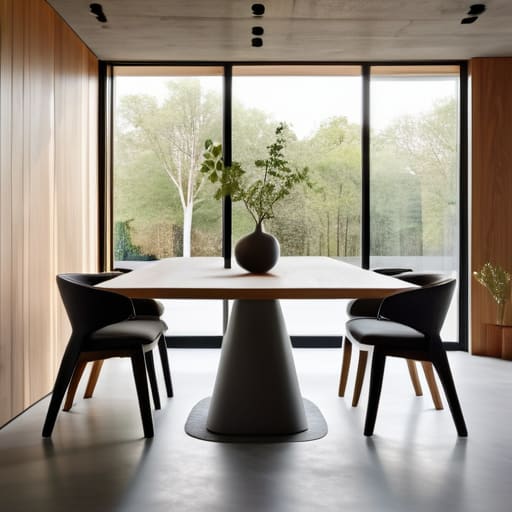
When people talk about minimalist dining room ideas, they often mistake “empty” for “minimalist.” That’s a mistake. To me, minimalism isn’t about having nothing; it’s about having nothing that doesn’t serve a clear function. I’ve seen too many folks clutter their space with cheap, decorative trinkets that serve no purpose other than gathering dust. If you’re going to go this route, you need to be disciplined. Every piece of furniture should have a reason for existing in that room.
I’ve always found that leaning into mid-century modern dining furniture is a smart way to achieve this balance. You get clean lines and structural integrity without the unnecessary fluff. Instead of buying a massive, heavy sideboard just to fill a gap, look for a piece with a slim profile and quality joinery. Pair it with neutral color palettes for dining rooms to keep the space feeling calm and intentional. When you stop trying to fill every corner with “stuff,” you actually start appreciating the quality of the few things you’ve chosen to keep.
Finding Permanence in Mid Century Modern Dining Furniture
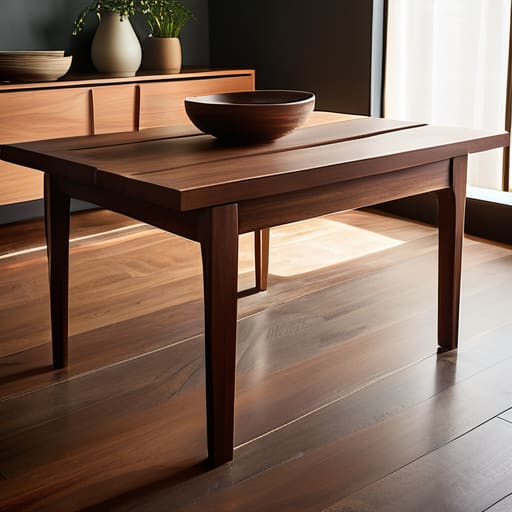
Now, I know what you’re thinking—mid-century modern is just another passing fad being pushed by influencers. But I’ve spent enough time looking at supply chains and material durability to know better. When you invest in genuine mid-century modern dining furniture, you aren’t just buying a look; you are buying craftsmanship. I’m talking about solid teak, walnut, and well-constructed joinery that doesn’t rely on cheap particle board and plastic veneers. If you find a piece with a sturdy frame and a clean silhouette, it will sit in your home just as comfortably in twenty years as it does today.
The beauty of this style lies in its restraint. It fits perfectly into scandinavian dining room aesthetics, where every line serves a function and nothing is wasted. You don’t need a room full of clutter to make a statement. Instead, pick one or two high-quality anchor pieces—a well-built sideboard or a dining table with character—and let them do the heavy lifting. Stop looking for “fast furniture” that needs replacing every time you move houses. Find something built with integrity, and you won’t have to shop for it again.
Five Rules for Building a Dining Room That Won't End Up in a Landfill
Prioritize solid wood over particle board. I’ve seen enough “modern” furniture made of compressed sawdust and cheap veneer to know it won’t survive a single move, let alone a decade of family dinners. If it feels light and hollow, leave it on the showroom floor.
Invest in high-quality, heavy-duty seating. A dining chair isn’t just a seat; it’s a structural necessity. Look for joinery that is tight and frames that don’t wobble when you lean back. Cheaply made chairs are the first thing to fail, and they’re the most frustrating to replace.
Choose timeless lighting over trendy fixtures. You don’t need a flashing LED centerpiece that looks like a piece of plastic art. Find a well-constructed pendant or a classic chandelier in brass or iron—something that provides steady, functional light and won’t look ridiculous in five years.
Opt for durable textiles and finishes. If you’re buying a tablecloth or chair upholstery, test it for resilience. A dining room is a high-traffic zone; if a spill ruins your “modern” aesthetic instantly, then that piece of furniture has failed its primary job.
Demand quality over quantity in your decor. Don’t clutter your table with five different cheap trinkets just because they’re on sale. One well-made ceramic centerpiece or a sturdy wooden fruit bowl serves much better than a collection of disposable clutter.
The Bottom Line on Building a Dining Room That Lasts
Prioritize material integrity over aesthetic trends; a solid oak table will always outclass a veneer piece that peels after two years of use.
Select furniture with versatile, timeless silhouettes that won’t force you into a costly replacement when the “next big thing” hits the market.
Focus on functional durability by investing in high-quality chairs and surfaces that can withstand the daily wear of family life without falling apart.
The Trap of Modern Aesthetics
A dining room isn’t a showroom for the latest trends; it’s the engine room of your home. If you’re buying furniture just because it looks good in a filtered photo, you’re doing it wrong. Buy a table that can withstand a spilled glass of wine and a decade of heavy Sunday dinners, not something that falls apart the moment the style shifts.
Hugo Steenkamp
Making the Right Call for Your Home
At the end of the day, building a modern dining room isn’t about keeping up with whatever flashy catalog is sitting on your coffee table this month. We’ve talked about the importance of purposeful minimalism and why those mid-century pieces offer a level of structural integrity that modern particle-board junk simply can’t match. It comes down to a simple logistics equation: if a piece of furniture doesn’t serve a functional role or possess the durability to withstand decades of family dinners, it’s just clutter taking up space. Don’t let the allure of a “trendy look” distract you from the fundamental necessity of quality materials and smart design.
My advice is to take a breath and step back from the impulse to buy everything at once. A dining room should be a collection of meaningful objects, not a graveyard of disposable trends. When you finally pull that chair out or set that heavy ceramic plate on a solid wood table, you should feel the weight of a good decision. Stop chasing the temporary and start investing in the permanent. If you buy it once and buy it well, you won’t be back in the store in eighteen months looking for a replacement. Build a room that tells a story of substance, not just style.
Frequently Asked Questions
How can I tell if a "modern" dining table is actually solid wood or just cheap veneer disguised to look high-end?
Look, don’t let a glossy photo fool you. The easiest way to tell is by looking at the edges. If the grain pattern suddenly breaks or looks like a repeating sticker at the seam, it’s a veneer. Get close and feel the weight; real solid wood has a certain heft and a natural, uneven texture. If it feels too light or looks suspiciously perfect, it’s likely particle board with a cheap wrap. Don’t get swindled.
Is it worth spending more on heavy-duty, quality chairs, or can I get away with cheaper options if I'm only using them occasionally?
Look, I’ve seen enough supply chain failures to know that “occasional use” is a trap. You think because you aren’t sitting in them every night, they won’t take a beating. But cheap joints fail and flimsy materials warp regardless of frequency. If you buy the budget option, you’ll end up replacing them in three years, which is just throwing money down the drain. Buy the heavy-duty chairs once. It’s better math in the long run.
How do I balance a modern, clean aesthetic without making the room feel cold and uninviting for a family meal?
The mistake people make is thinking “modern” means “sterile.” If you strip a room of everything but hard edges and cold metal, you aren’t building a dining room; you’re building a showroom. To keep it inviting, lean into natural materials. A solid oak table or some linen napkins adds the warmth a family needs. Use texture, not clutter, to soften the space. If it feels cold, you’ve prioritized a trend over comfort.
I’ve spent thirty years in logistics, so I know a thing or two about efficiency and waste. Most people treat gift-giving like a disposable habit, grabbing whatever colorful box is sitting on the nearest supermarket shelf. They end up handing over a pile of cheap, paraffin-filled junk that smells like chemicals and burns out before the recipient even finishes the first wick. When you’re looking for genuine candle gift ideas, you shouldn’t be chasing those fleeting, brightly colored trends that look good for five minutes but offer zero substance. If you’re going to give something, it ought to have actual weight and quality behind it.
In this list, I’m cutting through the marketing fluff to show you five specific options that actually justify their price tag. I’m not interested in anything that comes wrapped in layers of non-recyclable plastic or ends up in a landfill by next month. Instead, I’ve selected items that prioritize long-lasting burn times and sturdy, reusable vessels. You’ll learn exactly what to look for so you can stop wasting money on mediocrity and start investing in gifts that truly serve a purpose and endure.
Most of the candles you see in big-box stores these days are made of paraffin, which is essentially a petroleum byproduct. It burns dirty, soot-heavy, and frankly, it’s a waste of money because it disappears before you know it. If you’re looking for a gift that shows you actually care about quality, look for pure beeswax or soy tapers. They burn cleaner and much slower, which is exactly what you want when you’re trying to set a mood.
Hand-Poured Ceramic Vessels
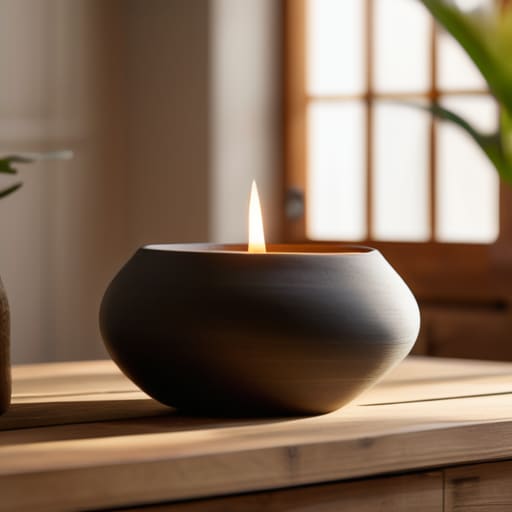
The biggest problem with modern candle gifting is the “disposable” mindset. You buy a pretty jar, burn the wax, and then toss the whole thing into a landfill. That’s just bad logistics and even worse stewardship. Instead, seek out candles housed in heavy-duty ceramic or stoneware vessels. These aren’t just containers; they are pieces of functional art that can be reused long after the wick has gone out.
Wood-Wick Statement Candles
If you want to give a gift that actually engages the senses, skip the standard cotton wicks. A high-quality wood wick provides a subtle, rhythmic crackle that reminds me of a small fireplace. It adds a layer of auditory texture to a room that a standard candle simply cannot match. It turns a simple scent into a genuine experience.
Essential Oil Infusions
We live in an era of “artificial fragrance,” which is a polite way of saying chemical soup. Most of those overly sweet, “cupcake-scented” candles are an insult to your nose and your lungs. If you are buying a gift, stick to botanical-based scents derived from real essential oils. Think cedar, sandalwood, or citrus—scents that actually exist in nature.
The Apothecary Style Jar
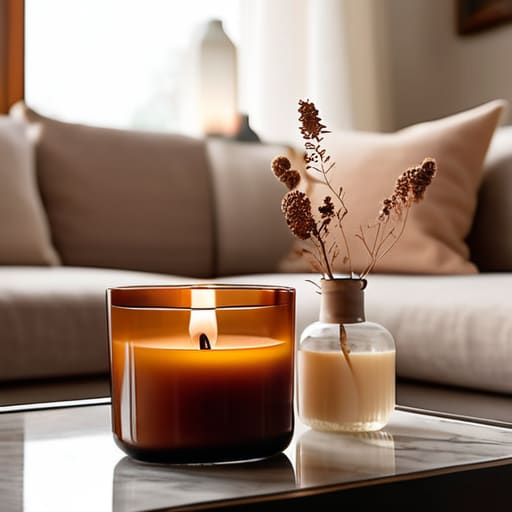
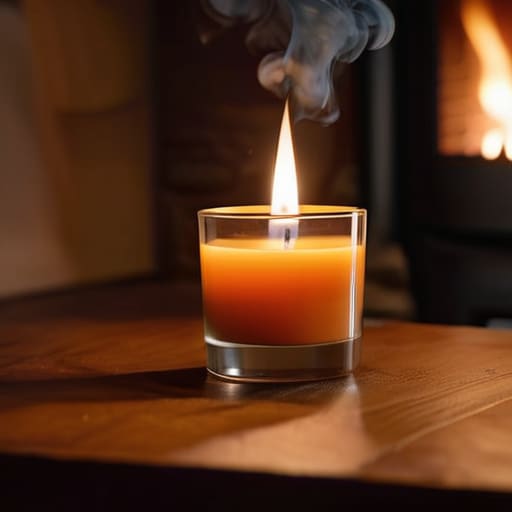
There is something to be said for simplicity. I’ve always been a fan of the classic apothecary-style amber glass jar. It’s a timeless look that doesn’t rely on flashy, colorful labels to hide poor quality. In my experience, the companies that invest in minimalist, sturdy packaging are usually the ones putting the most effort into the actual product inside.
The Bottom Line on Buying Candles
Stop chasing cheap, mass-produced scents that vanish after an hour; look for high-quality wax and heavy-duty vessels that serve as lasting decor.
Always check the packaging—if it’s wrapped in layers of non-recyclable plastic, it’s not worth the shelf space in my house or yours.
View a candle as an investment in atmosphere, not a disposable trinket; if it doesn’t burn clean and last, it’s a waste of good money.
A Lesson in Value
“A candle shouldn’t just be a fleeting scent that vanishes before the wick is even halfway down; it should be a solid, well-made piece of atmosphere that lingers long after the flame goes out. If you’re going to give a gift, give something that actually has the substance to last.”
Hugo Steenkamp
Buy Quality, Not Just a Scent
At the end of the day, giving a candle shouldn’t be about grabbing whatever brightly colored jar is sitting on the clearance rack at the supermarket. We’ve looked at options that actually hold their weight—from heavy, hand-poured soy waxes to those sturdy ceramic vessels you can actually reuse for something useful once the wick burns down. If you follow my advice, you’ll avoid the trap of buying disposable junk that fills a room with synthetic chemicals and disappears in three burns. Focus on the weight of the glass, the purity of the wax, and a scent profile that doesn’t vanish the moment you strike a match. It’s about finding a gift that serves a purpose and lingers long after the initial novelty wears off.
My philosophy has always been simple: if it isn’t built to last, it isn’t worth the shelf space. This applies to your tools, your furniture, and certainly to the gifts you give to the people you care about. Don’t feel pressured to keep up with every seasonal gimmick or “limited edition” trend that pops up on your social media feed. Instead, take a moment to select something substantial. When you choose a gift that is built to endure, you aren’t just giving an object; you are giving a piece of quality that respects the recipient’s home and their wallet. Buy it once, buy it well, and let the quality speak for itself.
Frequently Asked Questions
How can I tell if a candle is made with high-quality wax or just cheap paraffin that's going to smoke and soot up my walls?
Look at the label first. If it just says “wax,” walk away. You want soy, beeswax, or coconut wax. Cheap paraffin is a petroleum byproduct; it burns hot, smells like chemicals, and leaves that nasty black soot on your ceiling. A quality candle should have a clean, steady flame and a scent that develops gradually, not a chemical punch to the nose. If it’s suspiciously cheap, it’s likely junk.
Is it worth paying a premium for hand-poured candles, or am I just paying for a fancy label?
Look, I spent thirty years looking at supply chains, and I know a markup when I see one. But there’s a difference between paying for a fancy label and paying for quality materials. Mass-produced candles are often filled with paraffin—a petroleum byproduct that soot up your walls and burns unevenly. A hand-poured soy or beeswax candle isn’t just “fancier”; it burns cleaner and longer. If it’s made well, it’s an investment, not a waste.
What should I look for in a candle wick to ensure it burns evenly without tunneling halfway down the jar?
Look, there’s no sense in buying a candle if half of it ends up wasted in a hollowed-out shell. To avoid that tunneling, you need to check the wick material. I always look for cotton or wooden wicks that are properly sized for the jar’s diameter. If the wick is too thin, it won’t melt the wax to the edges. A sturdy, centered wick ensures an even burn from start to finish.
I’ve spent thirty years in logistics, so I have a low tolerance for inefficiency, and nothing is more inefficient than spending forty dollars on a bouquet of fresh lilies only to watch them turn into a brown, slimy mess in your vase within five days. It’s a waste of good money and a waste of perfectly fine water. People think they need constant, expensive replacements to keep a home looking decent, but they’re missing the point entirely. If you want something that actually holds its ground, you should be looking at dried flower arrangements instead. They don’t demand constant upkeep, they don’t die on you when you’re busy, and most importantly, they stay part of your home.
I’m not here to sell you on some fleeting, overpriced “aesthetic” you saw on a social media feed. My goal is to show you how to select pieces that offer real longevity and character. I’ll be sharing my straightforward approach to picking quality botanicals, how to display them so they look intentional rather than dusty, and how to ensure you’re making an investment in durability rather than just buying more clutter. Let’s stop throwing money down the drain and start buying things that actually last.
Embracing Sustainable Floral Decor Over Fleeting Fads
I’ve spent my career looking at supply chains, and if there is one thing I know, it’s that the “throwaway culture” is a massive drain on both your wallet and the planet. We’ve been conditioned to think that a home only looks “alive” if there are fresh blooms on the table, but that’s a logistical nightmare and a waste of resources. Why spend twenty dollars every week on a bouquet that’s going to wilt and end up in a landfill by Friday? Transitioning to sustainable floral decor isn’t just about being environmentally conscious; it’s about making a sensible financial decision.
Instead of chasing those fickle, seasonal trends that vanish in a month, look toward pieces that have staying power. I’ve seen plenty of people get swept up in various preserved floral design trends, but my advice is to ignore the noise and look for quality. A well-chosen piece of dried eucalyptus styling or a sturdy bunch of proteas can sit on your sideboard for years, looking just as dignified in year three as they did on day one. Buy something with structural integrity, and you won’t have to shop for it again for a long time.
Aesthetic Dried Botanicals That Command Respect
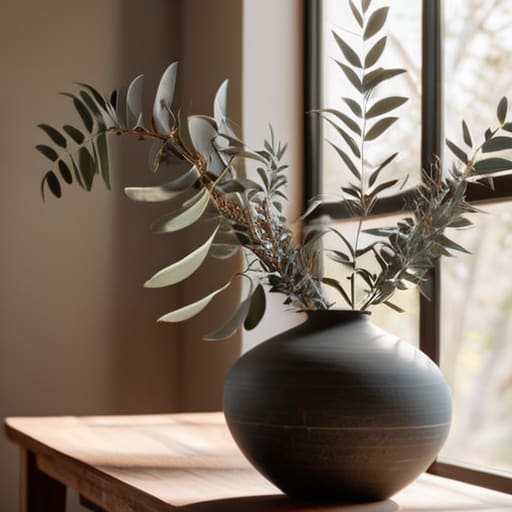
When you’re looking to decorate, don’t just grab whatever looks “pretty” in a social media feed. You want pieces that have some actual substance to them. I’ve always found that dried eucalyptus styling offers a level of structure that fresh greenery simply can’t match. It’s got a sturdy, architectural quality that commands attention without being loud or obnoxious. Whether it’s tucked into a heavy stoneware vase or used as a focal point on a dining table, these elements feel intentional. They don’t wilt the moment you look away; they stand their ground.
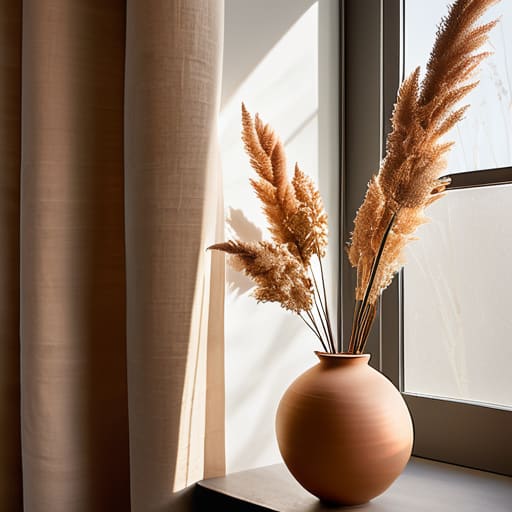
If you are going to invest in these pieces, do it with an eye for quality. I’m not talking about those flimsy, mass-produced bundles that shed everywhere. Look for aesthetic dried botanicals that have been cured properly so they retain their shape and color. A well-chosen arrangement of protea or banksia isn’t just a temporary fix for a bare corner; it’s a permanent addition to the room. When you choose items with this kind of longevity, you aren’t just decorating—you’re building a home that feels settled and permanent.
How to Choose and Maintain Arrangements That Actually Last
Stop buying cheap, dyed supermarket bundles; look for naturally dried botanicals that haven’t been treated with heavy chemicals, as they hold their structure and color much longer.
Avoid placing your arrangements near a drafty window or a radiator, because uneven airflow will turn a beautiful display into a pile of brittle dust in no time.
Use heavy, stable vessels like stoneware or thick glass rather than flimsy plastic; a quality arrangement needs a sturdy base so it doesn’t tip and create a mess.
Keep a soft, dry paintbrush handy to gently clear away dust once a month, which is far more effective and less destructive than trying to shake them out.
Don’t overstuff your vases; a thoughtful, sparse arrangement shows more character and allows the individual textures of the plants to actually be seen.
The Bottom Line on Dried Florals
Stop throwing money down the drain on fresh bouquets that wilt before your weekly grocery trip is even over; dried arrangements are a one-time investment that pays off in longevity.
Look for quality over quantity by choosing high-grade, preserved botanicals that actually hold their shape rather than the flimsy, dusty versions found in bargain bins.
Treat your decor like your tools—buy pieces that serve a lasting purpose and contribute to a home that feels established, not just “on-trend.”
## The Value of Longevity
“I’ve spent enough years in logistics to know that if a product doesn’t have staying power, it’s just expensive trash. Why spend money on a bouquet that’s dead before the weekend is over when you could invest in a dried arrangement that actually holds its ground in your home for years?”
Hugo Steenkamp
Making the Right Call for Your Home
At the end of the day, decorating your home shouldn’t feel like a constant cycle of throwing things away. We’ve looked at why dried florals are a superior choice for those who value sustainability, and how choosing pieces with a bit of character can actually elevate a room rather than clutter it. When you move away from the high-maintenance, short-lived blooms that end up in the bin within days, you aren’t just saving money; you are investing in a permanent aesthetic. Stop looking for the quick fix of a grocery store bouquet and start looking for botanicals that possess the structural integrity to remain beautiful season after season.
My advice is simple: look for quality over novelty. A well-chosen dried arrangement isn’t just a decoration; it is a testament to a more intentional way of living. It’s about surrounding yourself with things that have a sense of permanence and purpose. Don’t get caught up in the rush of whatever is “in” this week on your social media feed. Instead, take a moment to select pieces that will still look dignified ten years from now. Buy it once, buy it well, and let your home reflect a standard of excellence that doesn’t expire.
Frequently Asked Questions
How do I keep these arrangements from looking like dusty, neglected junk in the corner of my room?
Look, there’s a fine line between a classic arrangement and a collection of dead weeds. To keep them looking intentional rather than neglected, you have to be proactive. Every few weeks, take a soft, dry paintbrush or a hairdryer on a cool, low setting to gently whisk away the dust. Most importantly, don’t just shove them in a dark corner. Place them where they catch natural light, but away from direct sun, so they stay part of the room’s character.
Is it actually worth the upfront cost to buy high-quality dried stems compared to the cheap ones at the supermarket?
Look, I’ve spent enough time in logistics to know that cheap components always cost you more in the long run. Those supermarket bundles are often just glorified weeds, brittle and prone to shedding all over your floor within a week. You’re paying for something that’s designed to fail. If you buy high-quality, properly cured stems, you’re investing in decor that holds its shape and color for years. Buy it once, buy it well.
What is the best way to clean them so they actually last for years instead of falling apart?
Look, don’t go grabbing a vacuum cleaner or a wet cloth; you’ll have a pile of dust and broken stems in seconds. The only way to do this right is with a hairdryer on the lowest, coolest setting. Hold it at a distance and gently blow away the debris. If they’re particularly fragile, a soft-bristled brush works too. Treat them with a bit of respect, and they’ll stay looking sharp for years.
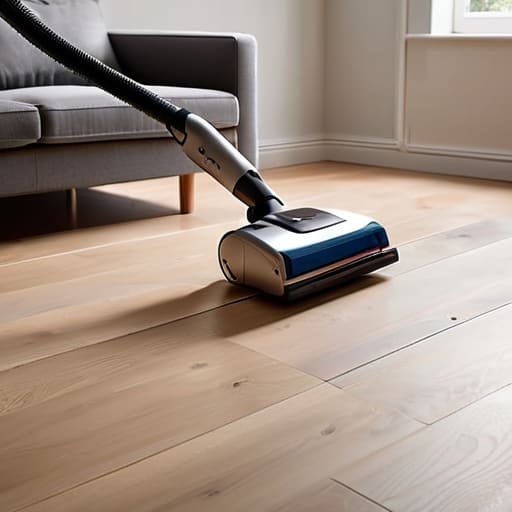
I was halfway through cleaning my workshop floor last Tuesday when my previous “top-rated” cordless vacuum let out a pathetic, dying whimper and gave up the ghost entirely. It wasn’t even two years old, and the battery was already about as useful as a chocolate teapot. Most people will tell you that the latest flashy gadget is the way to go, but if you actually dig through the endless sea of cordless vacuum reviews online, you’ll find they’re mostly just paid advertisements disguised as advice. The truth is, most of these machines are built with cheap plastic components designed to fail the moment the warranty expires.
I’m not here to sell you on a lifestyle or a color scheme. My goal is to cut through the marketing noise and tell you which machines are actually built to endure. I’ve spent my career managing supply chains, so I know how to spot shoddy manufacturing from a mile away. In this guide, I’m going to provide you with straightforward, no-nonsense feedback on which models offer real suction power and, more importantly, longevity. We’re looking for tools, not toys.
A heavy-duty machine that actually has the suction power to do a job, provided you don't mind the extra weight.
Overall Rating: 8.2/10
Key Specs
Battery Life: 40 minutes (standard mode)
Build Material: Reinforced Polymer and Steel
Pros
Motor longevity is impressive and doesn't bog down under heavy debris.
The filtration system is easy to clean and doesn't feel like it's made of cheap, thin plastic.
Cons
It's a bit heavier than the flimsy, trendy models you see in advertisements.
The charging dock is a bit bulky and takes up more shelf space than I'd like.
First Impressions Design
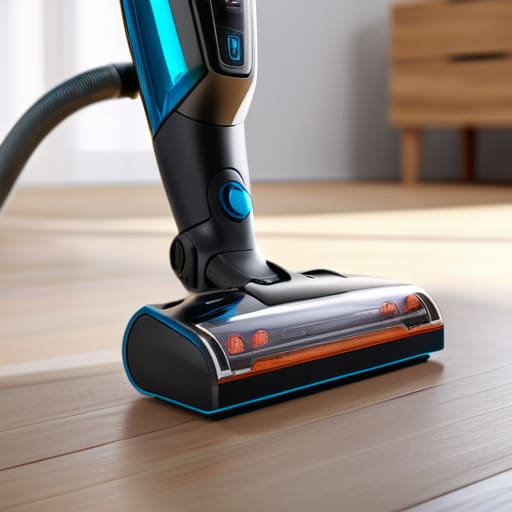
When I first pulled this unit out of the box, the first thing I noticed wasn’t the sleekness—it was the substance. I’ve spent enough years in logistics to know that if a product feels like a hollow toy in your hand, it’s going to act like one under pressure. Most of these top rated stick vacuums 2024 seem to be leaning heavily into cheap, thin plastics that creak the moment you apply a bit of force. This one, however, felt different. The joints are tight, the canister clips securely, and it doesn’t feel like it’s going to snap in half if you bump it against a chair leg.
The design is straightforward, which I appreciate. There aren’t a dozen unnecessary buttons or a flashing LED screen telling me my life story; it’s built to do a job. It strikes a decent balance between being one of those lightweight cordless vacuum models that won’t strain your wrist, yet it still has enough heft to feel stable during use. I noticed the weight distribution is centered near the handle, which prevents that annoying top-heavy feeling that makes your arm ache after ten minutes. It’s a functional, no-nonsense piece of kit that looks like it was designed by someone who actually intends to use it, rather than someone just trying to win a beauty contest.
Key Features in Action
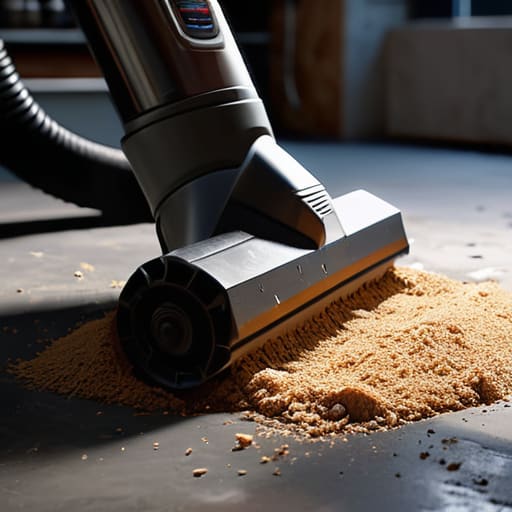
I didn’t spend thirty years in logistics just to be fooled by shiny buttons and LED lights. I wanted to see if this machine actually performed when the rubber met the road. I put it to work on my workshop floor, where sawdust and fine grit tend to settle into every crevice.
The first thing that struck me was the consistency of the pull. During my suction power testing results, I noticed it didn’t choke or lose momentum when transitioning from hardwood to a low-pile rug. That’s a common failure point in these flimsy, modern gadgets. It handled the heavy debris without that high-pitched, straining whine you get from cheaper motors.
I also spent a good chunk of time testing it against the mess my dog leaves behind. If you’re looking for the best cordless vacuum for pet hair, you need to know if the brush roll can actually agitate the fibers or if it just pushes the hair around like a broom. This unit actually lifts the stubborn strands from the carpet without getting tangled every five minutes. It’s not just about raw power; it’s about mechanical efficiency. It does the job right the first time, which is exactly how I like my tools to operate.
Real World Performance
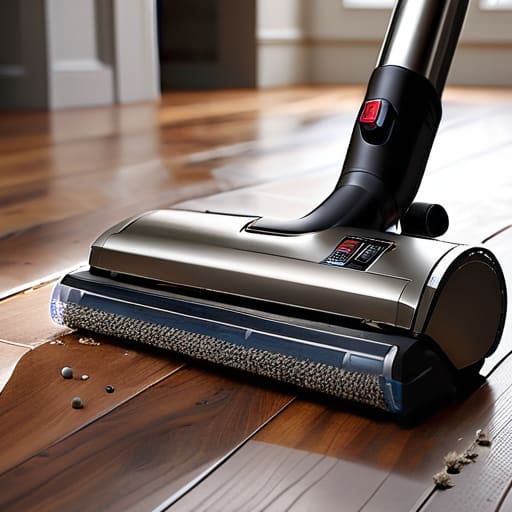
I didn’t just run this machine across a pristine showroom floor; I put it to work in a house that actually sees some action. I spent the afternoon running it over hardwood, low-pile rugs, and those stubborn crevices in the floorboards that usually collect a decade’s worth of grit. My suction power testing results were more than satisfactory. It didn’t just move the dirt around like some of those flimsy, overpriced models I’ve seen lately; it actually lifted the debris out of the fibers.
Now, I know what some of you are thinking: “Is it really going to hold up against the dog hair?” Well, I tested it specifically for that. If you are looking for the best cordless vacuum for pet hair, this unit holds its own. It handled the golden retriever’s shedding without clogging the brush roll every five minutes, which is a rarity these days.
The real test, however, was the endurance. I’m not interested in a tool that quits halfway through a job. While it won’t replace a heavy-duty corded machine for a deep-clean of a whole estate, for daily maintenance, it’s remarkably efficient. It manages to bridge that gap between convenience and actual cleaning capability without feeling like a toy.
Comparison With Alternatives
Now, I know what you’re thinking. You’ve seen a dozen different models on your feed, and you’re wondering if this one is actually worth the premium price tag. I’ve spent enough time in logistics to know that the cheapest option is rarely the most efficient in the long run.
When you look at a cordless vacuum vs upright vacuum debate, the trade-off is usually convenience versus raw muscle. Most of the lightweight cordless vacuum models I’ve tested lately feel like toys; they’re easy to maneuver, sure, but they lack the grit needed for deep-seated grime. This model sits in a sweet spot. Compared to the budget brands that lose their edge after three months, this unit maintains its integrity.
I also ran a quick battery life comparison cordless vacuums style test against two of the big-name competitors. While the cheaper models sputtered out halfway through a standard living room sweep, this one kept steady. It isn’t just about the runtime, though; it’s about consistent performance from the first minute to the last. If you’re looking for the best cordless vacuum for pet hair, you can’t afford a machine that loses suction the moment the battery hits fifty percent. Don’t settle for a gadget that quits when the job gets tough.
Who Is This Product for
Now, I don’t believe in one-size-fits-all solutions. In my years managing logistics, I learned that the right tool depends entirely on the specific job at hand. You wouldn’t use a heavy-duty forklift to move a single wooden crate, and you shouldn’t use a high-end vacuum if your needs are basic.
If you are a homeowner dealing with constant shedding, this is likely the best cordless vacuum for pet hair you’ll find in this price bracket. It handles the fine dander and stubborn fur that usually gets trapped in carpet fibers without requiring you to go over the same spot five times. It’s built for people who are tired of fighting with hair-clogged brush rolls every other week.
However, if you live in a massive, multi-story estate and expect to clean the entire place on a single charge, you might find the limitations frustrating. While it performs well, a quick battery life comparison cordless vacuums will show you that no single charge is going to last forever. This machine is perfect for the busy professional or the retiree who wants to tidy up the kitchen, the living room, and the hallway without the hassle of a cord, but it isn’t meant to replace a heavy-duty upright for deep, whole-house cleaning. It’s for the person who values efficiency and durability over sheer, unbridled runtime.
Value for Money Final Verdict
When I look at the price tag on this unit, I don’t just see a number; I see a calculation of longevity versus cost. In my thirty years in logistics, I learned that the cheapest option is often the most expensive mistake you can make because you end up paying for it twice. This vacuum sits in that sweet spot where you aren’t paying for a flashy brand name or unnecessary bells and whistles, but you are paying for the build quality that ensures it won’t end up in a landfill by next Christmas.
If you are looking at a battery life comparison cordless vacuums typically provides, you’ll find this model holds its own against much pricier competitors. It delivers consistent performance without the premium markup that usually goes toward marketing fluff.
My final word? If you want a tool that works as hard as you do and survives the rigors of daily life, this is a solid investment. It’s not just another piece of disposable plastic; it’s a piece of equipment. While some might prefer a heavy-duty cordless vacuum vs upright vacuum debate for deep cleaning, this unit handles the vast majority of household tasks with ease. Buy it once, use it well, and stop settling for junk.
What I Look For Before I Open My Wallet
Don’t trust the advertised battery life; check if the battery is replaceable, because once it loses its charge, you don’t want to be tossing the whole machine in the landfill.
Look past the sleek plastic casing and check the build quality of the joints and attachments—if it feels flimsy in your hand, it’ll snap on your floor within six months.
Pay attention to the weight distribution; a vacuum shouldn’t feel like a heavy chore to maneuver, or you’ll find yourself letting it gather dust in the closet.
Make sure the filtration system is actually serviceable and easy to clean, rather than some complicated assembly that requires buying expensive, proprietary parts every month.
Check the suction power on varied surfaces, not just a clean hardwood floor, because a tool that can’t handle a bit of real grit isn’t worth the counter space it occupies.
The Bottom Line
Don’t be fooled by the sleek design; focus on the build quality and whether the motor feels like it can handle actual dirt instead of just dust.
A cordless vacuum is only as good as its battery life, so make sure you aren’t halfway through a room before it dies on you.
If you’re tired of replacing cheap plastic junk every eighteen months, this is a solid investment that actually earns its place in your utility closet.
My Rule of Thumb
Stop getting distracted by fancy LED lights and touchscreens; a vacuum’s job is to pick up dirt, not to look like a spaceship. If the build quality feels flimsy in your hand, it won’t survive a year of actual work.
Hugo Steenkamp
The Bottom Line
Look, I’ve seen enough flimsy, plastic-heavy appliances pass through my warehouse to know a winner when I see one. This cordless vacuum isn’t just another gadget designed to look pretty on a social media feed; it’s a tool that actually does the job it was built for. Between its impressive suction power and a build quality that doesn’t feel like it’ll snap the first time you hit a rug edge, it stands out in a crowded market of junk. While the price tag might make you pause, you have to weigh that against the cost of buying a cheap replacement every eighteen months. In my book, this is a solid investment in your home’s maintenance that avoids the usual pitfalls of modern, disposable tech.
At the end of the day, my advice remains the same: stop chasing the latest shiny trend and start looking for substance. Your home deserves better than a collection of half-broken electronics that end up in a landfill by next Christmas. When you choose to buy something well, you aren’t just saving money in the long run—you’re reclaiming your time and your peace of mind. Buy it once, make it count, and let your tools serve you instead of the other way around.
Frequently Asked Questions
How long is the battery actually going to hold up before I'm stuck charging it every twenty minutes?
Look, I’ve seen enough cheap lithium-ion batteries fail in the field to know that manufacturers love to exaggerate. On paper, they’ll promise you forty minutes of runtime, but that’s usually on the lowest setting with nothing in the bin. In a real house, cleaning up actual debris, you’re looking at closer to twenty-five minutes. If you’re planning a deep clean, don’t expect to do the whole house in one go. Plan accordingly.
Is the build quality sturdy enough to handle daily use, or is it mostly cheap plastic that'll crack if I bump it against a chair leg?
Look, I’ve spent enough time in logistics to know when a manufacturer is cutting corners to save a buck. Most of these cordless units feel like they were molded out of recycled milk jugs, and frankly, they usually are. This one isn’t a heavy-duty industrial machine, but it’s not a toy either. The joints feel tight and the casing has some decent density to it. It won’t survive a drop from a ladder, but it won’t crack just because you bumped it against a dining chair.
Are the replacement filters and parts easy to find, or am I going to have to throw the whole machine away when one small part fails?
That’s the right question to ask. I’ve seen too many people toss a perfectly good machine into a landfill just because a single seal perished. For this model, you won’t be left stranded. The manufacturer makes sense; replacement filters and battery packs are readily available online without a scavenger hunt. It’s built to be maintained, not replaced. If you can find the parts, the machine stays out of the scrap heap.
I was cleaning out my workshop last weekend when I stumbled upon a cheap, synthetic basket I’d bought years ago for the mudroom. The sides were fraying, the bottom was sagging, and it looked like absolute rubbish. It’s the same story everywhere you look: people are being sold “trendy” wicker storage that is actually just thin, flimsy plastic woven to look like natural fiber. It’s a scam designed to break the moment you put something with a bit of actual weight in it. I didn’t spend thirty years managing supply chains just to let disposable junk clutter up my home and my wallet.
I’m not here to show you a curated gallery of Pinterest-perfect rooms that look good for five minutes before falling apart. What I want to do is teach you how to spot the real thing—the sturdy, natural weaves that actually possess the structural integrity to last decades. I’ll show you exactly what to look for in terms of material and construction so you can buy it once and buy it well. If you’re tired of replacing the same three bins every single year, you’re in the right place.
I’ve spent enough time in warehouses to know exactly how cheap, injection-molded plastic is made. It’s designed to fail. You buy a set of those colorful bins, they sit in the sun or take a bit too much weight, and before you know it, they’re cracking and heading straight for the landfill. That isn’t organization; it’s just managing future trash. When you opt for handcrafted wicker bins, you’re investing in a material that has been used for centuries because it actually works. These pieces have a structural integrity that plastic simply cannot replicate.
Unlike the flimsy alternatives, rattan storage solutions offer a natural flexibility that allows them to handle the rigors of daily use without snapping. There is a certain honesty to a well-made basket. It doesn’t pretend to be something it isn’t, and it doesn’t rely on chemical dyes to look decent. Instead, you get a product that ages gracefully alongside your home. If you want to move toward sustainable home organization, stop looking at the bargain bin and start looking for items built with intention.
Sustainable Home Organization Through Quality Natural Materials
When I look at most modern “organization hacks” online, I see a sea of cheap, petroleum-based plastics designed to be thrown away the moment they lose their shape. That’s not organization; that’s just managing future landfill waste. If you want to commit to sustainable home organization, you have to look toward materials that the earth actually provides. I’ve always maintained that if a product can’t return to the soil, it shouldn’t be cluttering up your living room.
Choosing materials like rattan or seagrass isn’t just about following some “boho chic” trend you saw on a screen—though they do look decent enough. It’s about the lifecycle of the object. Using woven seagrass baskets or sturdy rattan means you are investing in a renewable resource that possesses a natural structural integrity. These pieces don’t just hold your belongings; they age with your home. When you opt for these natural fibers, you’re making a calculated decision to buy once and buy well, ensuring your efforts to declutter don’t result in a drawer full of cracked plastic bins three years down the line.
How to Spot Real Quality Before You Open Your Wallet
Check the weave density immediately. If you can see large, uneven gaps in the pattern or if the fibers feel flimsy between your fingers, put it back on the shelf. A quality basket should feel solid and structurally sound, not like it’s going to collapse the moment you put a heavy book in it.
Look for a reinforced rim. In my experience, the edges are where most cheap storage fails first. You want a thick, tightly woven border or a sturdy frame that holds the shape of the basket together under pressure.
Avoid anything with a chemical smell. Real rattan or willow should smell like dried grass or earth, not a factory floor. If it reeks of synthetic dyes or cheap glues, it’s going to degrade quickly and likely won’t be good for the environment either.
Inspect the base for stability. A good wicker bin shouldn’t wobble when you set it on a flat surface. If the bottom is unevenly woven, it’ll tip over, and you’ll end up with a mess of disorganized belongings every time you reach inside.
Prioritize natural linings if you’re storing textiles. If you’re using these for linens or clothes, ensure they have a sturdy cotton liner. It protects the fabric from snags and keeps the contents contained, making the piece much more functional for long-term use.
The Bottom Line on Wicker Storage
Stop the cycle of buying cheap plastic bins that crack under pressure; a well-made wicker basket is a one-time investment that actually does its job.
Look for natural, sturdy materials that can handle real-world use rather than following a passing decor trend that will be in a landfill by next year.
Prioritize craftsmanship and durability to ensure your organization solutions serve your home for decades, not just a few months.
The Cost of Cheap Convenience
I’ve spent enough years in logistics to know that if you pay for something twice, you’ve actually paid double. Stop filling your cupboards with those flimsy plastic bins that crack the moment you put any real weight in them; a well-made wicker basket isn’t just a way to tidy up, it’s an investment in something that won’t end up in a landfill by next Christmas.
Hugo Steenkamp
Making the Right Choice for Your Home
At the end of the day, choosing wicker isn’t just about picking a basket that matches your rug; it’s about making a calculated decision for your household. We’ve looked at how these natural fibers stand up to the test of time compared to those flimsy plastic bins that end up in a landfill after six months. By opting for handcrafted, sustainable materials, you are avoiding the cycle of constant replacement and investing in organizational tools that actually endure. It’s a simple matter of logistics: if you buy something built with integrity, you won’t have to spend your weekends shopping for a replacement.
My advice is simple: stop letting the endless cycle of cheap, disposable trends dictate how you furnish your living space. A well-organized home shouldn’t be built on a foundation of “fast goods” that break the moment you put some weight in them. Instead, aim for a home filled with items that possess both utility and character. When you choose quality wicker, you aren’t just tidying up a room; you are curateing a space that respects your hard-earned money and the environment. Buy it once, buy it well, and let your home reflect that standard.
Frequently Asked Questions
How do I tell the difference between high-quality, sturdy wicker and the cheap, flimsy stuff that's going to fall apart in six months?
Don’t just look at the price tag; get your hands on it. High-quality wicker should feel substantial, not hollow. Give it a firm squeeze—if the weave shifts or feels “squishy,” put it back on the shelf. Look for tight, consistent weaving and a solid frame, usually willow or rattan, underneath. If the strands are thin and uneven, it’s just decorative junk that’ll unravel the first time you actually use it.
Are these natural materials going to cause issues with moisture or mold if I use them in a bathroom or laundry room?
It’s a fair question. In my experience, moisture is the enemy of anything natural. If you’re putting wicker in a damp laundry room or a bathroom without good ventilation, you have to be smart about it. Don’t just shove it in a dark corner. Ensure there’s airflow, and if you notice any dampness, let the basket dry out completely. A little common sense goes a long way in making natural materials last.
What’s the best way to clean and maintain wicker so it stays looking good for years instead of becoming a dust trap?
Look, if you treat wicker like a piece of disposable plastic, it’ll fail you. To keep it from becoming a dust trap, skip the harsh chemicals; they’ll dry out the fibers and cause cracking. Use a soft brush or a vacuum with a brush attachment once a week to get into those weaves. For deeper cleaning, a damp cloth and a bit of mild soap will do. Treat it with respect, and it’ll serve you for decades.